
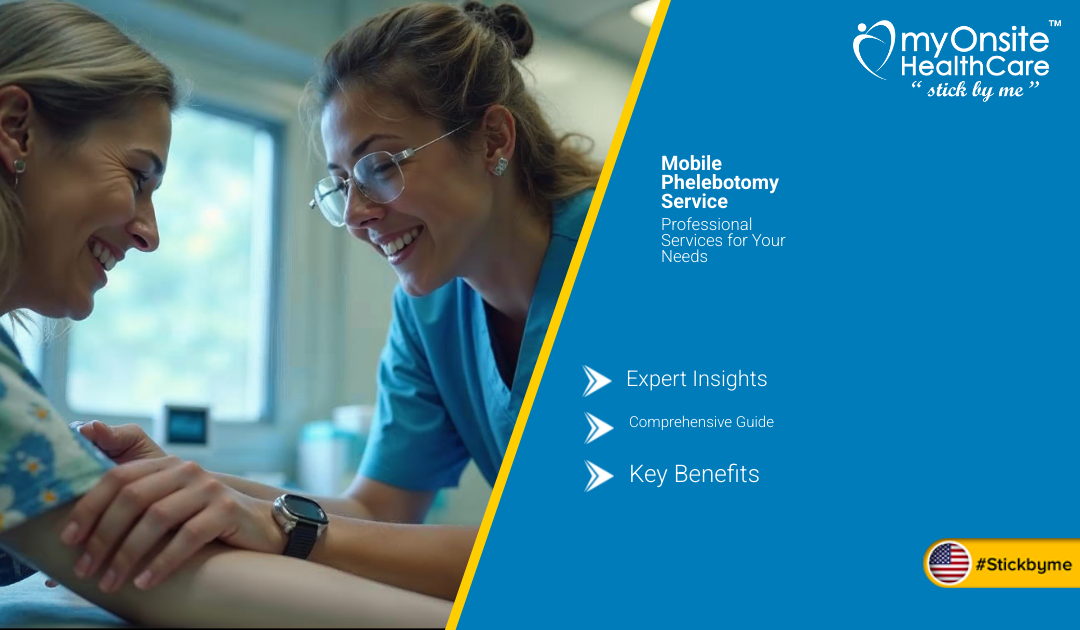
Picture this: instead of driving across town, sitting in a crowded waiting room, and disrupting your entire morning for a simple blood test, a certified professional arrives at your door with everything needed to complete the procedure safely and efficiently. That’s the reality of mobile phlebotomy services, a growing healthcare solution that’s transforming how we approach routine blood work.
Mobile phlebotomy brings laboratory-quality blood collection directly to patients’ homes, workplaces, or other convenient locations. Whether you’re caring for an elderly parent who struggles with mobility, managing a busy work schedule, or simply prefer the comfort and privacy of your own space, these services offer a practical alternative to traditional lab visits.
This comprehensive guide will walk you through everything you need to know about mobile phlebotomy services, from how they work to what you can expect, helping you decide if this convenient healthcare option is right for your situation.
What Makes Mobile Phlebotomy Different
Mobile phlebotomy services employ trained, certified phlebotomists who travel to patients rather than requiring visits to fixed laboratory locations. These professionals arrive equipped with the same sterile tools, proper vials, and safety protocols used in traditional medical settings.
The key advantages that set mobile services apart include:
- Location flexibility: Blood draws can happen at home, office, assisted living facilities, or other comfortable settings.
- Personalized scheduling: Appointments work around your timeline, not clinic hours.
- Reduced exposure risk: Avoid crowded waiting rooms and potential infections.
- Stress reduction: Familiar environments help anxious patients feel more relaxed.
- Professional quality: Same certification standards and equipment as hospital labs.
How the Process Works Step by Step
The mobile phlebotomy process is designed for simplicity and safety. Most services follow a streamlined approach that prioritizes patient comfort while maintaining strict medical standards.
Here’s what typically happens during a mobile blood draw appointment:
- Booking: Schedule online, by phone, or through a patient portal with flexible time slots.
- Preparation: Receive pre-visit instructions about fasting, hydration, or other requirements.
- Arrival: Phlebotomist arrives with a mobile unit containing all necessary sterile equipment.
- Setup: Professional creates a clean, organized workspace in your chosen location.
- Collection: Blood draw performed using standard venipuncture techniques with proper patient identification.
- Transport: Samples labeled, packaged, and delivered to partnered laboratories for processing.
Who Benefits Most from Mobile Services
While anyone can use mobile phlebotomy, certain groups find these services particularly valuable. Understanding whether you fall into these categories can help determine if mobile blood draws make sense for your situation.
Mobile phlebotomy works especially well for:
- Elderly patients: Those with mobility issues, transportation challenges, or chronic conditions requiring frequent monitoring.
- Busy professionals: People who can’t afford time away from work or have unpredictable schedules.
- Parents with young children: Families who struggle with childcare during medical appointments.
- Patients with disabilities: Individuals for whom travel to medical facilities presents significant challenges.
- Anxious patients: Those who feel more comfortable in familiar environments.
- Corporate wellness programs: Employers offering on-site health screenings for employees.
Quality and Safety Standards
One common concern about mobile phlebotomy involves whether the quality matches traditional laboratory settings. The reality is that reputable mobile services maintain the same rigorous standards as hospital and clinic labs.
Professional mobile phlebotomy services ensure quality through:
- Certified technicians: All phlebotomists hold proper certifications and ongoing training.
- Sterile equipment: Single-use needles, sanitized surfaces, and proper waste disposal protocols.
- Chain of custody: Samples tracked from collection through lab delivery with documented handling.
- Laboratory partnerships: Established relationships with accredited labs for reliable processing.
- Insurance coverage: Proper liability protection and adherence to healthcare regulations.
Comparing Your Options
| Service Type | Convenience | Cost Range | Best For |
| Traditional Lab | Requires travel | Insurance covered | Routine, non-urgent tests |
| Mobile Phlebotomy | Comes to you | Competitive rates | Mobility issues, busy schedules |
| Hospital Lab | Limited hours | Higher costs | Complex or urgent testing |
| Workplace Screening | Very convenient | Employer-covered | Employee wellness programs |
Making the Right Choice for Your Health
Mobile phlebotomy represents a practical evolution in healthcare delivery, removing barriers that often prevent people from getting necessary blood work done. The convenience factor alone can improve compliance with routine monitoring, potentially catching health issues earlier when they’re more treatable.
When considering mobile phlebotomy, focus on finding a service with proper certifications, positive patient reviews, and clear protocols for sample handling. The small investment in convenience often pays dividends in reduced stress, saved time, and improved healthcare outcomes. Don’t let transportation challenges or busy schedules prevent you from staying on top of your health monitoring needs.
Frequently Asked Questions
How much does mobile phlebotomy typically cost?+
Costs vary by location and provider, but many services are competitively priced with traditional labs when you factor in saved transportation costs and time. Some insurance plans cover mobile services, so check with your provider about coverage options.
What types of blood tests can be done through mobile services?+
Most routine blood work including cholesterol panels, glucose monitoring, thyroid function, vitamin levels, and basic metabolic panels can be collected through mobile services. Specialized tests requiring immediate processing may still need traditional lab visits.
How far in advance do I need to schedule an appointment?+
Many mobile phlebotomy services offer same-day or next-day scheduling, though availability depends on your location and the provider’s capacity. Early morning appointments tend to fill up fastest, especially for fasting blood work.
What should I do to prepare for a mobile blood draw?+
Follow the same preparation guidelines as traditional lab visits, including fasting requirements if needed. Ensure you have proper identification ready and create a comfortable, well-lit space for the phlebotomist to work safely.
Are mobile phlebotomy results as reliable as hospital lab results?+
Yes, when performed by certified professionals using proper equipment and protocols, mobile blood draws produce results identical in quality to traditional lab collections. The samples go to the same accredited laboratories for processing.
Can myOnsite Healthcare provide mobile phlebotomy services?+
myOnsite Healthcare offers comprehensive mobile healthcare services including blood collection. Their certified professionals bring laboratory-quality care directly to your location with flexible scheduling and professional service standards.
What happens if the phlebotomist can’t find a good vein?+
Experienced mobile phlebotomists are skilled at working with difficult draws and will use techniques like warming the area or trying different locations. If unsuccessful, they can reschedule or recommend alternative collection methods based on your specific situation.
Is mobile phlebotomy safe for elderly patients with multiple health conditions?+
Mobile services are often ideal for elderly patients as they eliminate travel stress and allow collection in familiar surroundings. Certified phlebotomists are trained to work with patients who have complex medical histories and can coordinate with existing healthcare providers.
How quickly will I receive my blood test results?+
Turnaround times are typically the same as or faster than traditional labs since samples often go directly to processing facilities without intermediate stops. Most routine results are available within 24-48 hours through secure patient portals.